Best Places To Visit In Canada 2026
A practical roundup review of the best options for best places to visit in canada, with quick picks, comparison notes, mini reviews, buying advice, and FAQ.
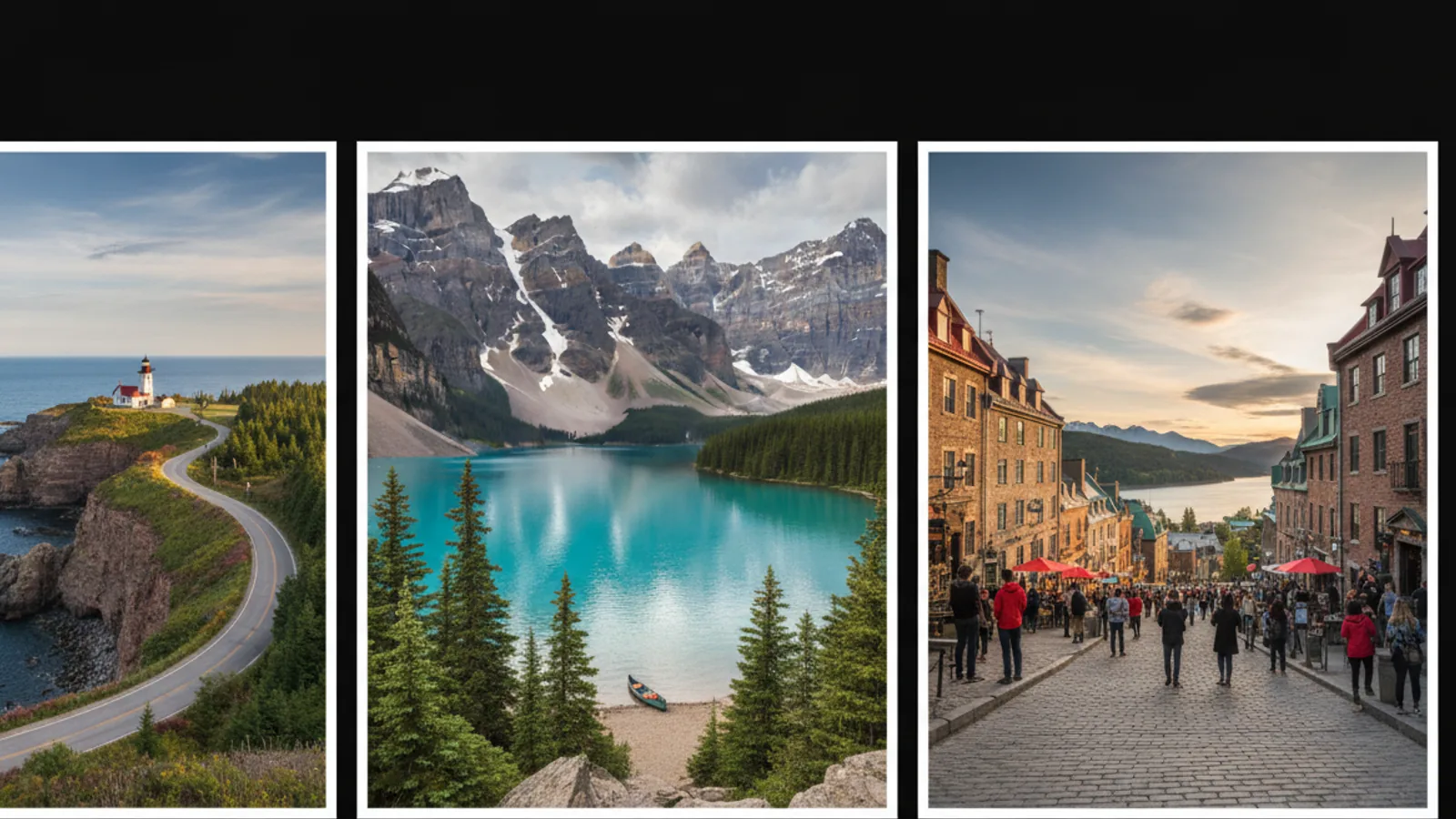
Best Places To Visit In Canada 2026
Roundup review
Planning a Canadian adventure can be overwhelming given the sheer scale of the country. To help UK travellers pinpoint the perfect destination for 2026, we've researched over 20 popular regions, national parks, and cities. We analysed travel times from the UK, seasonal appeal, range of activities, and value for money, cross-referencing our findings with thousands of recent visitor reviews. For its breathtaking, accessible mountain scenery and year-round appeal, Banff National Park stands out as our best overall place to visit in Canada.
Quick Comparison
Banff National Park
- Iconic Rocky Mountain scenery
- Year-round outdoor activities
- Excellent tourist infrastructure
Quebec City
- Unique European atmosphere
- Historic, walkable Old Town
- Outstanding food scene
Vancouver Island
- World-class whale watching
- Rugged coastlines and rainforests
- Mix of city and nature
Toronto & Niagara
- Major city attractions
- Awe-inspiring natural wonder
- Great flight links from the UK
Newfoundland
- See icebergs and puffins
- Unique, friendly local culture
- Dramatic, unspoilt landscapes
The Best Places To Visit In Canada
- Banff National Park, Alberta - Best Overall
- Quebec City, Quebec - Best for City & Culture Lovers
- Vancouver Island, British Columbia - Best for Coastal Scenery & Wildlife
- Toronto & Niagara Falls, Ontario - Best for Families & Big Attractions
- Newfoundland & Labrador - Best for an Alternative Atlantic Adventure
How We Chose the Best Places to Visit in Canada
To create this guide for UK holidaymakers, we focused on destinations that offer a distinctly Canadian experience while balancing travel logistics and value. Our editorial team evaluated over 20 potential locations based on four key criteria: Attractions & Scenery (the "wow" factor), Accessibility from the UK (flight duration and connections), Value for Money (typical costs for accommodation, food, and activities), and UK Visitor Appeal (how well it aligns with British travel interests like history, walking, and wildlife). This shortlist represents the best of Canada, chosen through extensive research of travel trends, official tourism data, and patterns in public visitor feedback, not through first-hand visits to every location listed.
Banff National Park, Alberta
Banff is the Canada you've seen in postcards and on screen. It’s a jaw-dropping landscape of turquoise glacial lakes, jagged snow-capped peaks, and abundant wildlife, all wrapped up in Canada's oldest national park. It's our top pick because it delivers this epic scenery in a package that's surprisingly accessible. Whether you're an avid hiker looking to scale a mountain or a family wanting a gentle stroll around Lake Louise followed by a hot chocolate, Banff caters to all. The towns of Banff and Lake Louise offer a comfortable, convenient base with plenty of hotels, restaurants, and shops, meaning you can experience the raw wilderness by day and enjoy creature comforts by night. It truly is the complete Canadian Rockies experience.
Pros
- Absolutely world-class, iconic scenery
- Activities for all fitness and adventure levels
- Excellent infrastructure and amenities for tourists
- Year-round destination with distinct seasonal appeal
Cons
- Can be very crowded, especially in July and August
- Accommodation and dining can be expensive
Quebec City, Quebec
For a trip that feels more like a jaunt to provincial France than a long-haul flight to North America, Quebec City is unbeatable. As the only fortified city north of Mexico, its historic core is a UNESCO World Heritage site of cobbled streets, 17th-century stone houses, and grand plazas dominated by the magnificent Château Frontenac hotel. It’s a city made for strolling, stopping for a coffee and a croissant at a pavement café, exploring independent boutiques, and soaking up the unique Franco-American culture. The food scene is superb, blending classic French cuisine with local Quebecois ingredients. While the winters are famously cold, they transform the city into a magical Christmas market wonderland. For a romantic, historic, and delicious city break, it's a Canadian standout.
Pros
- Completely unique historic European atmosphere
- Highly walkable and safe historic centre
- Exceptional food and drink scene
- Good flight connections from the UK
Cons
- Winters are extremely cold for the unprepared
- While English is spoken, French is prevalent
Vancouver Island, British Columbia
Stretching almost 300 miles along Canada's Pacific coast, Vancouver Island is a world away from the mainland. It’s a place of immense natural diversity, from the genteel, British-influenced capital of Victoria to the wild, storm-battered shores of Tofino. This is the ultimate destination for wildlife lovers; it's one of the best places on earth for whale watching (orcas, humpbacks, and greys are common) and you're likely to spot black bears foraging on the shoreline at low tide. You can hike through ancient temperate rainforests with giant cedar trees, learn to surf on vast sandy beaches, or simply relax and enjoy the laid-back island pace. It offers a perfect blend of rugged adventure and comfortable, scenic relaxation that is hard to match.
Pros
- Sensational opportunities for whale and bear watching
- Incredibly diverse landscapes to explore
- Charming towns and a relaxed, welcoming atmosphere
- Milder climate than much of Canada
Cons
- Requires a ferry or short flight from Vancouver
- The west coast can be very rainy, even in summer
Toronto & Niagara Falls, Ontario
For a family holiday that packs in a vibrant city experience and a world-famous natural wonder, the Toronto and Niagara Falls combination is a classic for good reason. Toronto, Canada's largest city, is a multicultural hub with endless entertainment: ascend the CN Tower, explore fascinating museums like the ROM, catch a Blue Jays baseball game, or take a ferry to the Toronto Islands for a fantastic view of the skyline. Just a 90-minute drive away is the sheer power and spectacle of Niagara Falls. While the surrounding town can feel a bit like a seaside resort, the falls themselves are breathtaking. Boat tours take you right into the mist for an unforgettable experience. With excellent direct flights from across the UK, this is arguably the most straightforward and action-packed Canadian trip to plan.
Pros
- Combines a world-class city and an iconic landmark
- Huge range of family-friendly activities and attractions
- Excellent direct flight options from the UK
- Easy to navigate with good public transport
Cons
- Niagara Falls town is highly commercialised
- Costs can add up quickly in a major city
Newfoundland & Labrador
If your idea of a holiday is getting away from the crowds and experiencing something truly unique, look no further than Canada's easternmost province. Newfoundland offers a travel experience unlike any other. This is a land of rugged coastlines, colourful fishing villages perched on rocky coves, and a fiercely independent culture with its own dialect and music. In late spring and early summer, you can witness the astonishing sight of 10,000-year-old icebergs drifting down from Greenland along "Iceberg Alley." It's also home to one of the world's largest puffin colonies. It’s less polished than other Canadian destinations, but its charm lies in its authenticity, the raw beauty of its landscapes, and the incredible warmth of its people. For the adventurous UK traveller, it's an unforgettable choice.
Pros
- Incredible iceberg, whale, and puffin viewing
- Unique and welcoming local culture
- Stunning, unspoilt coastal scenery
- Feels genuinely off the beaten track
Cons
- Fewer direct flights and longer travel from the UK
- Weather is notoriously unpredictable
Buying Guide: How to Choose the Best Place to Visit in Canada
Canada is the second-largest country in the world, so choosing where to go requires a bit of planning. Here are the key factors for a UK traveller to consider.
When to Go: The Importance of Season
Your experience will be vastly different depending on the time of year. Don't underestimate the Canadian winter!
- Summer (June to August): The peak season. Warmest weather, all attractions are open, and long daylight hours. It's ideal for hiking, wildlife viewing, and road trips. However, it's also the most crowded and expensive time.
- Autumn (September to October): Often considered the best time to visit. Cooler, comfortable temperatures, fewer crowds, and stunning autumn colours, especially in the east. Some attractions may have reduced hours.
- Winter (November to March): For winter sports enthusiasts, this is the time to go for skiing and snowboarding in the Rockies or enjoying magical, snowy city breaks in places like Quebec City. Be prepared for very cold temperatures and potential travel disruption.
- Spring (April to May): A transition season. Can be unpredictable with a mix of snow and sun. It's a great time for seeing wildlife emerge from hibernation and witnessing the iceberg season in Newfoundland.
Match the Destination to Your Travel Style
Think about what you want from your holiday:
- The Great Outdoors: If your priority is mountains, lakes, and hiking, then Banff, Jasper, and the national parks of British Columbia are your best bet.
- City & Culture: For history, food, and museums, consider Quebec City, Montreal, or Toronto. Vancouver offers a great balance of city life and easy access to nature.
- Wildlife: Vancouver Island is a hotspot for whales and bears. The Rockies have elk, deer, and bears. Newfoundland has puffins, whales, and moose.
- The Epic Road Trip: The Icefields Parkway between Banff and Jasper is one of the world's most scenic drives. Driving across the vast prairies or around the Cabot Trail in Nova Scotia are also classic Canadian road trips.
Budgeting and Practicalities for UK Visitors
- eTA (Electronic Travel Authorization): UK citizens need an eTA to fly to or transit through Canada. It's a simple online application that you must complete before you travel.
- Flights: Major hubs like Toronto, Vancouver, Montreal, and Calgary have direct flights from the UK. Destinations like Newfoundland or smaller cities will likely require a connection. Book well in advance for the best prices, especially for summer travel.
- Tipping: Tipping is customary in Canada and a significant part of service workers' income. Expect to tip 15-20% on restaurant bills, and also for guides, bartenders, and taxi drivers.
- Taxes: The price you see on a tag is not the final price. Sales tax (GST/PST/HST) is added at the till and varies by province, typically between 5% and 15%.
Final Verdict: Best Places To Visit In Canada
After comparing the top destinations across Canada, Banff National Park remains our number one recommendation for the best place to visit in Canada in 2026. It offers the most iconic Canadian scenery in a way that is accessible to almost every type of traveller, from adventurous hikers to families looking for stunning views. The combination of pristine wilderness and excellent amenities makes it a reliable and unforgettable choice.
If your heart is set on a cultural city break with a unique flavour, Quebec City is an exceptional option that provides a slice of European charm. And for those prioritising wildlife and rugged coastal beauty, Vancouver Island delivers an unparalleled Pacific Northwest experience. Whichever you choose, Canada offers a vast and welcoming adventure for every UK traveller.
Best Places To Visit In Canada 2026 FAQ
Do I need a visa for Canada from the UK?
No, UK citizens do not need a visa for tourist stays of up to six months. However, you must obtain an Electronic Travel Authorization (eTA) before you fly to Canada. It's a simple online process and is electronically linked to your passport.
What is the best month to visit Canada?
September is often considered the ideal month. You'll enjoy pleasant, mild weather, beautiful autumn colours (especially in the east), fewer crowds than in peak summer, and often lower prices for flights and accommodation.
How much spending money do I need for 2 weeks in Canada?
This varies widely, but a mid-range budget would be around £100-£150 per person per day. This would cover food, local transport, and some activities. A budget traveller could manage on £60-£80, while a luxury trip could easily exceed £250 per day. Remember to factor in pre-booked costs like car hire and major tours.
Is it better to visit the east or west coast of Canada?
It depends on your interests. The West Coast (British Columbia, Alberta) is famed for its dramatic mountain ranges, rugged coastline, and vast wilderness. The East Coast (Ontario, Quebec, the Maritimes) is known for its rich history, vibrant cities, and charming coastal scenery. For a first-time visitor wanting epic mountain landscapes, the West is often the top choice. For history and a European feel, the East excels.