Best Time To Travel To Costa Rica 2026
A practical roundup review of the best options for best time to travel to costa rica, with quick picks, comparison notes, mini reviews, buying advice, and FAQ.
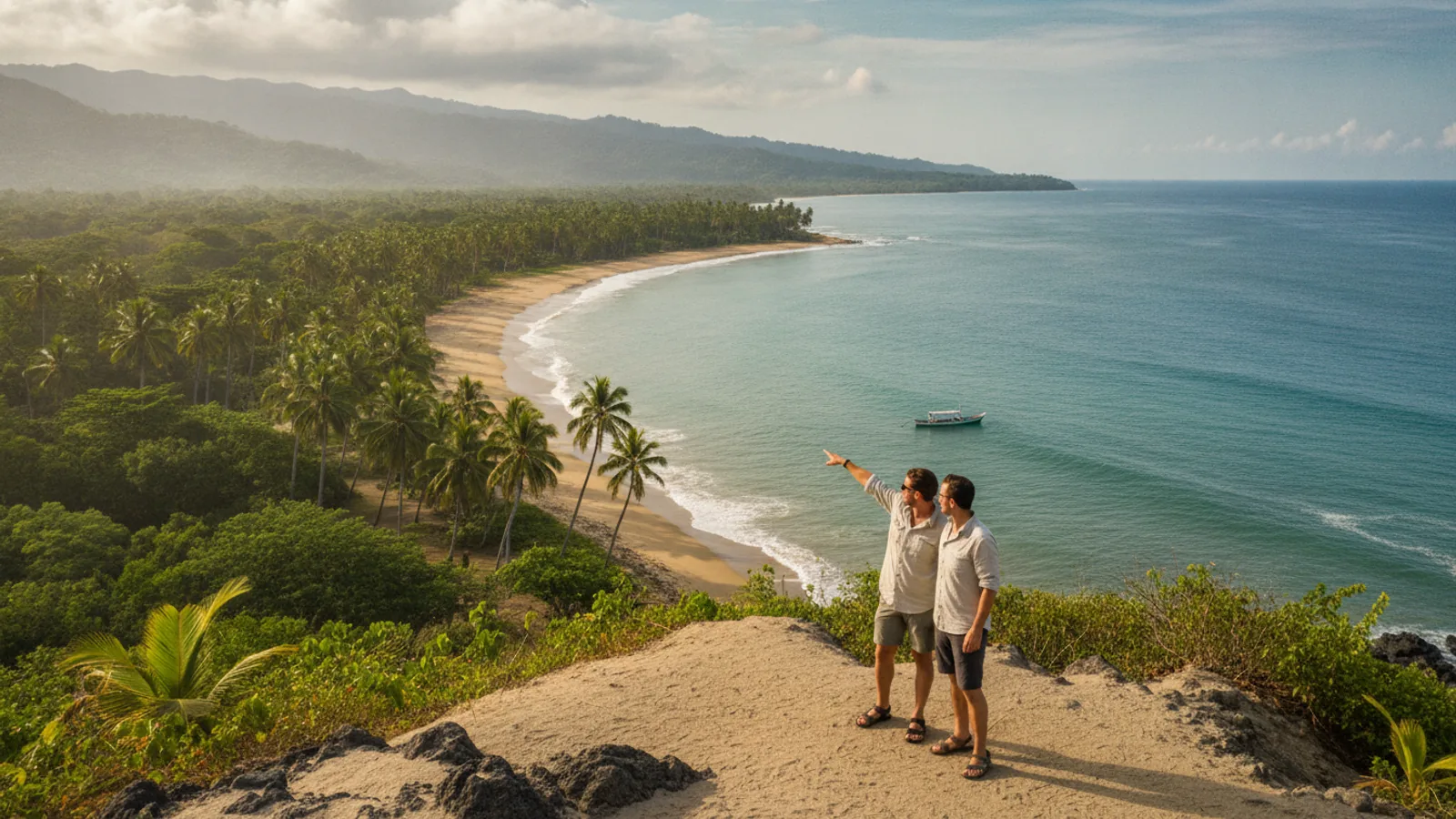
Best Time To Travel To Costa Rica 2026
Roundup review
To find the best time to travel to Costa Rica from the UK in 2026, we analysed the country's distinct seasons, comparing weather patterns, wildlife viewing opportunities, crowd levels, and overall value for money. After reviewing five key travel windows, we found the dry season, from mid-January to April, offers the best all-round experience for first-time visitors seeking sunshine and adventure.
Quick Comparison
Dry Season
- Wall-to-wall sunshine
- Ideal for beaches & hiking
- Peak travel conditions
Green Season
- Lush, vibrant landscapes
- Excellent for wildlife
- Fewer crowds, lower prices
Shoulder Months
- Superb value for money
- Great weather/crowd balance
- Good deals on flights & hotels
Rainy Season
- Best for serious surfers
- Caribbean coast is dry
- Lowest prices of the year
Festive Period
- Vibrant, celebratory atmosphere
- Guaranteed sunshine
- Escape the UK winter
The Best best time to travel to costa rica
- The Dry Season (Mid-January - April) - Best overall
- The Green Season (May - August) - Best for wildlife enthusiasts
- The Shoulder Months (May/June & November) - Best for budget travel
- The Peak Rainy Season (September - October) - Best for surfing & Caribbean coast
- The Festive Season (Late December - Early January) - Best for a Christmas escape
How We Chose the Best Time to Travel to Costa Rica
Our recommendations are not based on a single trip, but on a comprehensive analysis of what makes a Costa Rican holiday successful for UK travellers. We assessed each season against a consistent set of criteria: weather reliability, value for money (including flight and accommodation costs from the UK), wildlife viewing opportunities, and crowd levels. We cross-referenced official climate data, national park reports, and seasonal tourism trends to build a practical guide that helps you balance your budget, holiday time, and travel dreams for the perfect "Pura Vida" experience.
The Dry Season (Mid-January - April)
Known locally as 'verano' (summer), the dry season is Costa Rica at its most accessible and sun-drenched. This is the classic picture-postcard time to visit, especially for first-timers. From mid-January through April, the Pacific coast and central regions see minimal rain, endless blue skies, and hot, tropical days. This makes it the perfect window for beach holidays on the Guanacaste or Nicoya peninsulas, and for hiking volcanoes like Arenal without the risk of a downpour. Roads are in their best condition, making self-drive trips much easier. While it’s the most popular and expensive time, the trade-off is near-guaranteed fantastic weather for almost any activity you can imagine.
Pros
- Consistent sunshine and minimal rain
- Ideal for beach, hiking, and road trips
- Excellent conditions for water sports
- All attractions and roads are fully accessible
Cons
- Most expensive time for flights and hotels
- Can be very crowded at popular spots
- Landscapes can be less lush and more arid
The Green Season (May - August)
Don’t let the term "rainy season" put you off. From May to August, the country transforms into an impossibly lush, green paradise. This is Costa Rica in high definition. The rain typically falls in short, sharp bursts in the afternoon, leaving mornings bright and sunny for exploration. For wildlife lovers, this is arguably the prime time. The rainforests are teeming with life, migratory birds arrive, and it’s a key period for sea turtle nesting on both coasts (especially Green turtles in Tortuguero from July). With fewer tourists than the dry season, you’ll find better deals and a more intimate experience in the national parks. It's the perfect time for photographers and those who want to see the ecosystem at its most vibrant.
Pros
- Incredibly lush, green, and beautiful scenery
- Peak time for spotting specific wildlife, like nesting turtles
- Fewer crowds and more competitive prices
- Sunny mornings are typical before afternoon showers
Cons
- Afternoon downpours can disrupt plans
- Higher humidity levels
- Some rural roads can become difficult to navigate
The Shoulder Months (May/June & November)
For savvy UK travellers, the shoulder months offer the holy grail: a fantastic blend of decent weather, low crowds, and rock-bottom prices. May and June mark the beginning of the green season, where the first rains bring the forests to life after the dry spell. November is the tail end of the rainy season, when the downpours are subsiding but the landscape is still gorgeously green. During these periods, you can often find significant discounts on flights from the UK and on high-end hotels that would be prohibitively expensive in peak season. You get much of the green season's beauty and wildlife without the peak season's crowds or the heaviest rains of September and October. It’s the perfect compromise for those whose budget is as important as their itinerary.
Pros
- The best prices on flights and accommodation
- Very few crowds, even at popular sites
- A great mix of sunshine and refreshing rain
- Lush landscapes and active wildlife
Cons
- Weather can be unpredictable
- Some tour operators may have limited schedules
- November can sometimes see late-season storms
The Peak Rainy Season (September - October)
This is the secret season for specific types of travellers. On the Pacific coast, September and October are the wettest months, with heavy, prolonged rainfall. While this makes it unsuitable for a general sightseeing trip, it creates legendary conditions for experienced surfers, with huge, consistent swells hitting the coast. It’s also the time when the country’s microclimates truly show their worth. While the Pacific side is drenched, the Caribbean coast (around Puerto Viejo and Tortuguero) enters its driest and sunniest period of the year. This 'Caribbean summer' is a fantastic and little-known opportunity to enjoy beautiful beaches with barely anyone else around. If you’re a surfer or want to explore the unique Afro-Caribbean culture of the east coast, this is an unbeatable time to go.
Pros
- Best time of year for surfing on the Pacific coast
- Driest, sunniest weather on the Caribbean coast
- Absolute lowest prices and fewest tourists
- Great for Olive Ridley turtle 'arribadas' on the Pacific
Cons
- Very heavy rain on the Pacific and in central areas
- Many hotels and businesses may close for the season
- Risk of road closures due to flooding
- Not suitable for a first-time, multi-region trip
The Festive Season (Late December - Early January)
If your goal is to trade grey UK skies for tropical sunshine over Christmas and New Year, the festive period in Costa Rica delivers. The weather is spectacular as the dry season kicks in, with bright, sunny days perfect for the beach. The country is alive with a celebratory atmosphere, with local festivals, parades, and fireworks displays, particularly in San José. It's a fantastic, vibrant time to be in the country and experience 'Tico' culture at its most joyful. The major downside is that this is the absolute peak of the peak season. Prices for flights and accommodation skyrocket, and you’ll need to book everything many months, if not a year, in advance. Expect attractions to be busy, but for a guaranteed sunny Christmas break, it’s a price many are willing to pay.
Pros
- Guaranteed beautiful, sunny weather
- Buzzing, festive atmosphere with local celebrations
- The ultimate escape from the British winter
- Everything is open and running at full capacity
Cons
- Extremely high prices for everything
- Very heavy crowds, especially on the coast
- Essential to book far in advance
- Minimum stay requirements at many hotels
Buying Guide: How to Choose the Best Time to Travel to Costa Rica
Choosing your ideal travel window for Costa Rica involves more than just looking at a weather chart. It’s about matching the country’s rhythm to your personal holiday priorities. Here’s what UK travellers should consider before booking.
What is Your Main Priority?
Your perfect time to visit hinges on what you want most from your trip. Be honest about your priorities:
- Guaranteed Sun: If your main goal is to lie on a beach and escape the UK rain, you cannot beat the dry season (mid-Jan to April). This is the safest bet for uninterrupted sunshine, especially on the Pacific coast.
- Wildlife Watching: While wildlife is abundant year-round, the green season (May to August) is when the rainforest is at its most active and lush. It's also the prime time for specific events like turtle nesting in Tortuguero.
- Budget Constraints: If you're looking for value, the shoulder months (May/June and Nov) are unbeatable. You'll find great deals and can often afford a longer trip or more luxurious accommodation for your money.
- Adventure and Activities: The dry season is best for most hiking and zip-lining, as trails are dry. However, for world-class surfing, the big swells arrive in the rainy season (Sept/Oct). White-water rafting is often best when rivers are high in the green season.
Understanding Costa Rica's Microclimates
Costa Rica is a small country with a complex climate. A common mistake is assuming the weather is the same everywhere. The continental divide running down the centre creates two distinct patterns:
- The Pacific Coast & Central Valley: This is the largest and most visited region. It follows the classic dry season (Dec-Apr) and green season (May-Nov) pattern.
- The Caribbean Coast: This region has its own unique climate. Its driest and best months are often September and October, precisely when the rest of the country is at its wettest. If you're planning a trip during the UK's autumn, focusing on the Caribbean side is a smart move.
Factoring in UK School Holidays
Be aware that Costa Rica's peak seasons align with key UK holiday periods. The Christmas/New Year period is the most expensive time to fly. The Easter holidays fall squarely in the popular dry season, leading to higher prices and bigger crowds. Conversely, the UK summer holidays (late July and August) fall into Costa Rica's green season, which can mean better value and availability compared to a Mediterranean getaway, making it a great option for families.
Booking in Advance is Key
For travel during the dry season, and especially over Christmas and Easter, it is crucial to book well in advance. We recommend booking flights from the UK at least 6-9 months ahead, and securing accommodation (particularly in popular spots like Manuel Antonio, La Fortuna, and Monteverde) even earlier. For green and shoulder season travel, you have more flexibility, but booking 3-4 months out is still wise to secure the best deals.
Final Verdict: Best best time to travel to costa rica
While every season in Costa Rica has its own unique charm, for the vast majority of UK visitors, especially those travelling for the first time, the Dry Season from mid-January to April stands out as the best overall time to go. It offers the most reliable weather for exploring the country's incredible diversity, from its sandy beaches to its volcanic peaks. You'll have the best chance of clear skies for zip-lining through the cloud forest, hiking to waterfalls, and relaxing by the ocean.
However, if your priorities are different, the choice shifts. For unparalleled wildlife viewing and breathtakingly lush landscapes at a lower cost, the Green Season (May-August) is a superb alternative. For the most budget-conscious, the Shoulder Months of May, June, and November provide an almost perfect balance of good weather, low prices, and minimal crowds. Ultimately, the best time to travel to Costa Rica is the time that best fits your personal definition of 'Pura Vida'.
Best Time To Travel To Costa Rica 2026 FAQ
When is the rainy season in Costa Rica?
The main rainy season, often called the 'green season', on the Pacific coast and in the central highlands runs from May to November. The heaviest rainfall typically occurs in September and October. However, the Caribbean coast follows a different pattern, with its driest months being September and October.
Is Costa Rica expensive to visit from the UK?
Costa Rica can be one of the more expensive countries in Central America, but it can be done on a budget. Costs are highest during the peak dry season (especially Christmas and Easter). To save money, travel during the green or shoulder seasons (May-Nov) when flights and accommodation are significantly cheaper. Opting for local restaurants ('sodas') over tourist-focused ones will also reduce costs considerably.
What's the best time to see turtles nesting?
It depends on the species and coast. For the famous Green Sea Turtles in Tortuguero National Park on the Caribbean coast, the peak nesting season is July to October. On the Pacific coast, the best time to see Olive Ridley turtles, especially the 'arribadas' (mass nesting events), is during the rainy season from August to October.
Do I need to worry about hurricanes?
Costa Rica is located far enough south that it is very rarely affected by the direct path of hurricanes that can impact other parts of the Caribbean and Central America. While the tail-end of a hurricane in the region can bring heavy rain, particularly in September and October, direct hits are extremely rare.
How long does it take to fly to Costa Rica from the UK?
Direct flights from London to San José, Costa Rica, typically take around 11 to 12 hours. Several airlines offer direct routes. Flights with one stop, usually in the USA or a European hub like Madrid or Amsterdam, are also common and can sometimes be more affordable, though the total travel time will be longer.