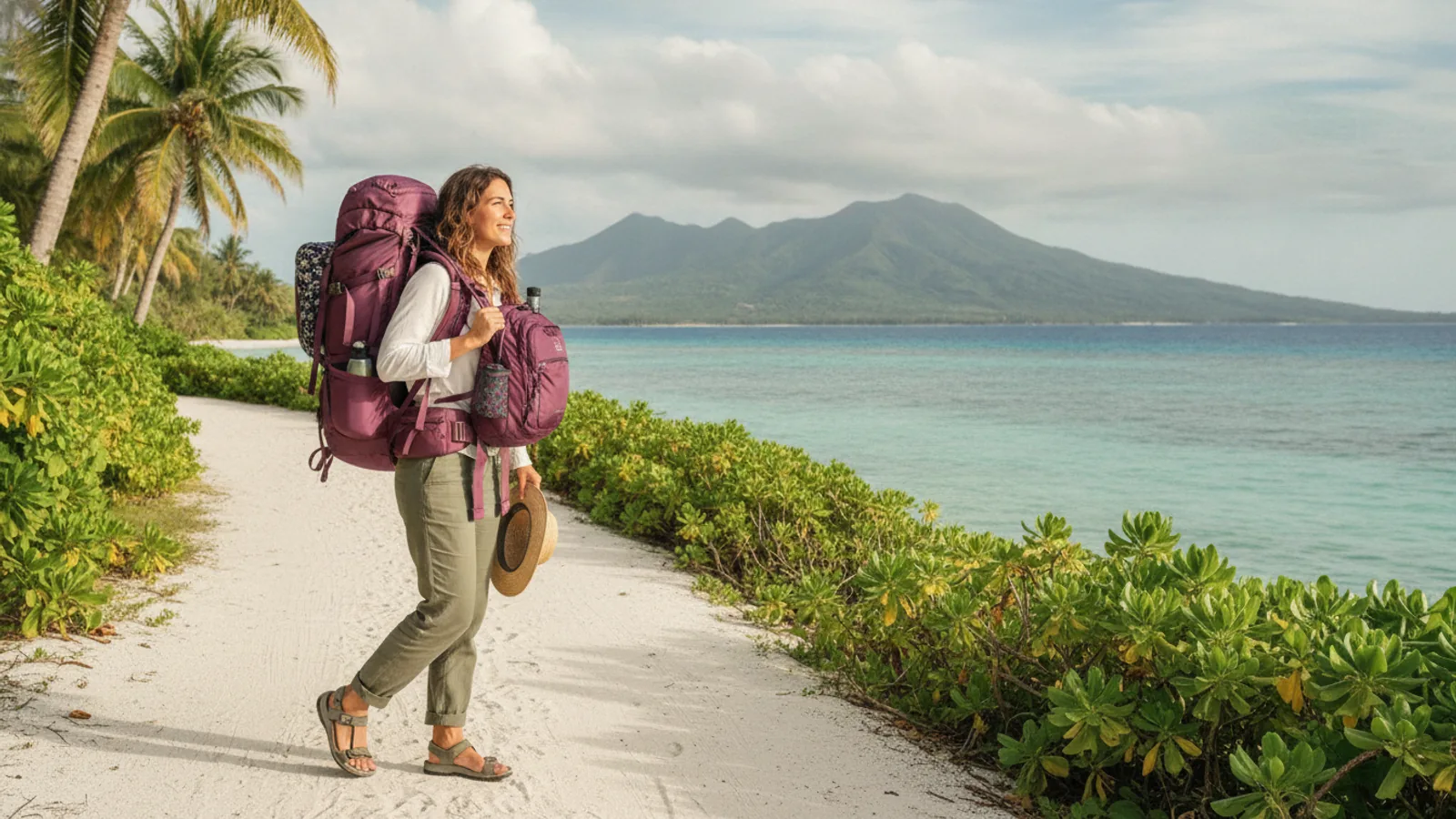
How Much Does A Trip To Japan Cost
A practical step-by-step guide to how much does a trip to japan cost, including preparation, instructions, common issues, tips, and next steps.

How Much Does A Trip To Japan Cost
Planning a trip to Japan from the UK involves understanding various costs, from flights and accommodation to daily spending and activities. This guide helps you break down the expenses for a trip to Japan, whether you're aiming for a budget adventure, a comfortable mid-range holiday, or a luxurious escape. By following these steps, you'll learn how to estimate costs accurately, manage your spending, and ensure your dream trip to Japan is within reach.
Fast Answer
- Average Trip Length: 7-14 days
- Budget Traveller (per person, 10 days): £1,800 - £2,800 (including flights from UK)
- Mid-Range Traveller (per person, 10 days): £2,800 - £4,500 (including flights from UK)
- Luxury Traveller (per person, 10 days): £5,000+ (including flights from UK)
Before You Start
- Valid UK Passport: Ensure your passport is valid for at least six months beyond your intended departure date from Japan.
- Travel Dates: Have a rough idea of your desired travel dates, as prices for flights and accommodation vary significantly by season.
- Budgeting Tool: Access to a spreadsheet program (like Excel or Google Sheets) or a reliable budgeting app to track expenses.
- Basic Research: A general idea of which cities or regions in Japan you wish to visit.
- Internet Access: For researching flights, accommodation, and attractions.
Step-by-Step Instructions
1. Define Your Trip Style and Budget Level
Before diving into specific costs, decide what kind of trip you want. Your travel style heavily influences the overall price. Consider if you're comfortable with hostels and street food, prefer comfortable hotels and nice restaurants, or desire luxury resorts and fine dining. This initial decision sets the foundation for your budget.
A budget trip might involve staying in hostels or guesthouses, eating at convenience stores or affordable eateries, and using local public transport. A mid-range trip often includes 3-star hotels, a mix of casual and nicer restaurants, and exploring with ease using trains and occasional taxis. A luxury trip would mean 4-5 star hotels or ryokans, gourmet dining, private transfers, and unique experiences.
2. Research and Budget for International Flights from the UK
Flights are often the single largest expense for a trip to Japan. Prices from the UK can range significantly based on the time of year, how far in advance you book, and the airline. Peak seasons (cherry blossom in spring, autumn foliage) see higher prices.
- Off-Peak (January-March, late May-June, September-early December): Expect to pay around £600 - £900 for a return economy ticket.
- Peak Season (April, October, December holidays): Prices can jump to £900 - £1,500+.
- Booking Window: Aim to book your flights 6-9 months in advance for the best deals, especially if travelling during popular periods.
- Direct vs. Indirect: Direct flights from London to Tokyo are generally more expensive but save travel time. Indirect flights with layovers can be cheaper.
Use flight comparison websites like Skyscanner, Google Flights, or Kayak to compare prices across different airlines and dates. Consider flying into different airports (e.g., Osaka Kansai KIX instead of Tokyo Narita NRT or Haneda HND) if your itinerary allows, as prices can vary.
3. Estimate Accommodation Costs
Accommodation in Japan can suit any budget, but prices vary wildly by city, type of lodging, and season. Major cities like Tokyo and Kyoto are generally more expensive than smaller towns.
- Hostels/Capsule Hotels: From £25 - £45 per night. Ideal for solo travellers or those on a tight budget.
- Business Hotels (Mid-Range): From £70 - £150 per night. These are clean, efficient, and well-located. Chains like Toyoko Inn, APA Hotel, and Dormy Inn are popular.
- Traditional Ryokans/Higher-End Hotels: From £150 - £300+ per night. Ryokans offer a unique Japanese experience, often including traditional meals. Luxury hotels can easily exceed £400 per night.
- Airbnb/Holiday Rentals: Prices vary but can be a good option for groups or longer stays, potentially offering more space for £60 - £200+ per night.
Consider the location carefully. Staying near major train stations can save on local transport costs, but might be slightly pricier. Always read reviews to ensure quality and suitability.
4. Plan Your Daily Spending: Food, Transport, and Activities
These are your variable daily expenses, which can be managed closely once you're in Japan. They often make up a significant portion of your total budget.
Food and Drink:
- Budget: £20 - £35 per day. This involves convenience store meals (onigiri, bento boxes), street food, and cheap noodle shops (ramen, udon).
- Mid-Range: £40 - £70 per day. A mix of casual restaurants, some nicer dinners, and cafes.
- Luxury: £80 - £150+ per day. Fine dining, high-end sushi, and more frequent visits to specialised restaurants and bars.
Don't forget to budget for drinks, snacks, and perhaps a coffee or two. Vending machines are plentiful and often offer good value for soft drinks.
Local Transport:
- Individual Tickets/IC Card: If staying in one city or making limited long-distance trips, buying individual tickets or using a rechargeable IC card (like Suica or Pasmo) is cost-effective. Expect to spend £5 - £15 per day for intra-city travel.
- Japan Rail Pass (JR Pass): This pass offers unlimited travel on JR trains (including most Shinkansen bullet trains) for a set period (7, 14, or 21 days). A 7-day Ordinary Pass costs around £250 - £290 (prices vary with exchange rates). It's only worthwhile if you plan extensive long-distance travel, e.g., Tokyo to Kyoto, then Hiroshima, and back.
Always calculate if a JR Pass truly saves you money for your specific itinerary before purchasing. Often, a combination of local IC cards and specific Shinkansen tickets might be cheaper for shorter, less dense itineraries.
Activities and Attractions:
Most temple entries, museum fees, and park admissions are relatively affordable. Expect to pay around £3 - £10 per attraction. Some major sites or experiences can be more:
- Theme Parks (e.g., Tokyo Disneyland/DisneySea, Universal Studios Japan): Around £50 - £70 per day.
- Observation Decks (e.g., Tokyo Skytree): Around £15 - £25.
- Special Exhibitions/Performances: Can range from £10 - £40+.
Factor in around £15 - £30 per day for activities on a mid-range budget, more if you plan many paid attractions.
5. Don't Forget Travel Insurance
Travel insurance is a non-negotiable expense. It protects you against unforeseen circumstances like medical emergencies, trip cancellations, lost luggage, or personal liability. Policies vary in price depending on your age, pre-existing conditions, and the level of cover. For a 10-day trip, expect to pay around £25 - £70 for comprehensive cover from a UK provider.
Ensure your policy specifically covers medical expenses in Japan, as healthcare can be expensive without it. Check for any exclusions related to activities you plan to do (e.g., skiing, hiking).
6. Factor In Miscellaneous and Extra Costs
These are the often-overlooked expenses that can quickly add up if not budgeted for:
- Pocket Wi-Fi or eSIM: Essential for navigation and staying connected. A Pocket Wi-Fi device rental or an eSIM typically costs £3 - £7 per day.
- Souvenirs and Shopping: This is entirely up to you! Budget anywhere from £50 - £300+ depending on your interest in shopping.
- Airport Transfers: Getting from Narita or Haneda airports to central Tokyo can cost £10 - £30 one way by train or bus.
- Pre-Trip Vaccinations/Medications: Consult your GP for any recommended vaccinations well in advance. Costs vary.
- Currency Exchange Fees: Banks or currency exchange services might charge fees. Using a travel-friendly debit/credit card can minimise these.
- Contingency Fund: Always add 10-15% extra to your total budget for unexpected costs or spontaneous splurges.
7. Create Your Detailed Budget Spreadsheet
Now that you have all the cost categories, put it all together. Create a simple spreadsheet with columns for "Category," "Estimated Cost," and "Actual Cost." Break down costs per person if you're travelling in a group.
List everything: flights, accommodation (per night/total), food (per day/total), transport (JR Pass/IC cards), activities, insurance, Wi-Fi, souvenirs, and your contingency fund.
Example for a 10-day mid-range trip:
- Flights (return from UK): £800
- Accommodation (10 nights @ £100/night): £1,000
- Food (£50/day x 10 days): £500
- Local Transport (£10/day x 10 days + some Shinkansen tickets): £250
- Activities (£20/day x 10 days): £200
- Insurance: £40
- Pocket Wi-Fi (£5/day x 10 days): £50
- Souvenirs/Shopping: £150
- Contingency (10%): £300
- TOTAL ESTIMATE: £3,290
Quick Reference
| Situation | Use this | Why |
|---|---|---|
| Tightest budget (solo traveller) | Hostels, convenience store meals, local trains, free attractions | Minimises accommodation and food costs, leverages efficient public transport |
| Extensive long-distance travel planned | JR Pass (verify cost-effectiveness), budget hotels, a mix of food options | JR Pass can save money on multiple Shinkansen trips, hotels offer good value |
| Comfortable, mid-range trip | 3-star hotels, diverse restaurant choices, pre-booked activities | Balances cost with comfort and convenience, allowing for more experiences |
| Luxury and unique experiences desired | Ryokans, 4-5 star hotels, fine dining, private tours, bespoke activities | Prioritises high-end experiences and premium services for a memorable trip |
| Group or family travel | Apartment rentals (e.g., Airbnb), family-friendly passes, shared taxis | Can provide more space and save on per-person costs compared to multiple hotel rooms |
Common Problems When You Plan a Trip to Japan
- Underestimating Food Costs: While Japan has many affordable options, eating out regularly at mid-range restaurants can add up. Many assume all Japanese food is cheap, which isn't always the case for quality meals.
- Fix: Balance cheaper meals (convenience store bentos, ramen shops) with nicer restaurant experiences. Look for lunch deals (teishoku) which are often better value than dinner.
- Overspending on Transport: Buying a JR Pass without checking if it's genuinely cost-effective for your itinerary. For shorter trips or those focused on one region, it often isn't.
- Fix: Use an online JR Pass calculator for your specific route to see if it saves money. For city travel, an IC card is usually sufficient.
- Currency Exchange Surprises: Being hit by unexpected foreign transaction fees or poor exchange rates when using your bank card or exchanging cash at the airport.
- Fix: Get a travel-friendly debit card (like Starling or Monzo in the UK) with no foreign transaction fees. Exchange a small amount of Yen before you leave, but primarily rely on card payments and ATM withdrawals at post offices or 7-Eleven.
- Last-Minute Booking Penalties: Leaving flights and accommodation booking too late, especially for popular seasons like cherry blossom or autumn.
- Fix: Book major components like flights and accommodation 6-9 months in advance. This often secures better prices and more choice.
- Forgetting Travel Insurance: Not budgeting for or simply overlooking comprehensive travel insurance.
- Fix: Prioritise travel insurance as a mandatory expense. It's often cheaper than you think and provides crucial peace of mind.
- Lack of Internet Access: Underestimating the need for mobile data for navigation, translations, and looking up information on the go.
- Fix: Pre-order a Pocket Wi-Fi device for airport collection or purchase an eSIM before you leave the UK. Free Wi-Fi is available but not always reliable or widespread.
Advanced Tips for Budgeting for Japan
- Travel Off-Peak: Visiting during the shoulder seasons (late May-June, early September-mid-October) or true off-peak (January-February, excluding holidays) can significantly reduce flight and accommodation costs. The weather might be less predictable, but crowds are smaller too.
- Consider Multi-City Flights: Sometimes flying into one city (e.g., Osaka) and out of another (e.g., Tokyo) can be cheaper than a return to the same airport, and it saves backtracking.
- Utilise Convenience Stores (Konbini): Japanese convenience stores like 7-Eleven, FamilyMart, and Lawson offer high-quality, fresh, and affordable meals, snacks, and drinks. They are excellent for saving money on breakfast and lunch.
- Look for Lunch Sets (Teishoku): Many restaurants offer special lunch sets at a much lower price than their dinner menus. This is a great way to try nicer restaurants without breaking the bank.
- Explore Regional Passes: If your trip focuses on a specific region (e.g., Kansai, Hokkaido), dedicated regional rail passes might offer better value than the nationwide JR Pass. Research these based on your itinerary.
- Leverage Credit Card Rewards: If you have a credit card that offers air miles or cashback, use it for your major bookings (flights, accommodation) to accumulate rewards that can offset future travel costs.
- Cash is King (for smaller vendors): While cards are accepted in many places, some smaller shops, restaurants, and rural attractions might prefer or only accept cash. Always carry some Japanese Yen with you.
- Take Advantage of Tax-Free Shopping: Tourists can get tax refunds on purchases over a certain amount at participating stores. Keep your passport handy when shopping and look for the "Tax-Free" sign.
- Consider Day Trips: Staying in one major city (like Tokyo) and taking day trips to nearby attractions (e.g., Hakone, Nikko) can sometimes be cheaper than constantly moving accommodation, especially if you have a rail pass that covers these areas.
How Much Does A Trip To Japan Cost FAQ
Is Japan an expensive country to visit?
How much spending money do I need for 10 days in Japan?
What is the cheapest time of year to fly to Japan from the UK?
Do I need to carry a lot of cash in Japan?
Is a Japan Rail Pass worth it?
Final Checklist for your Japan Trip Budget
Defined Travel Style: Have you clearly decided if your trip is budget, mid-range, or luxury?
Flight Budget Set: Have you researched and budgeted for your international flights from the UK?
Accommodation Costs Accounted For: Are your nightly accommodation costs estimated and tallied for your entire trip?
Daily Spending Calculated: Have you estimated daily costs for food, drink, and local transport?
Activities Budgeted: Have you included costs for all planned attractions, tours, and experiences?
Travel Insurance Booked: Is comprehensive travel insurance purchased and confirmed?
Miscellaneous Costs Included: Have you factored in Pocket Wi-Fi/eSIM, souvenirs, and airport transfers?
Contingency Fund Added: Is there a 10-15% buffer in your budget for unexpected expenses?
Currency Strategy Planned: Do you know how you'll manage money (travel card, cash, ATM withdrawals)?
Passport Validity Checked: Is your passport valid for at least six months beyond your return date?
Visa Requirements Confirmed: Have you checked the latest FCDO advice for UK citizens entering Japan?