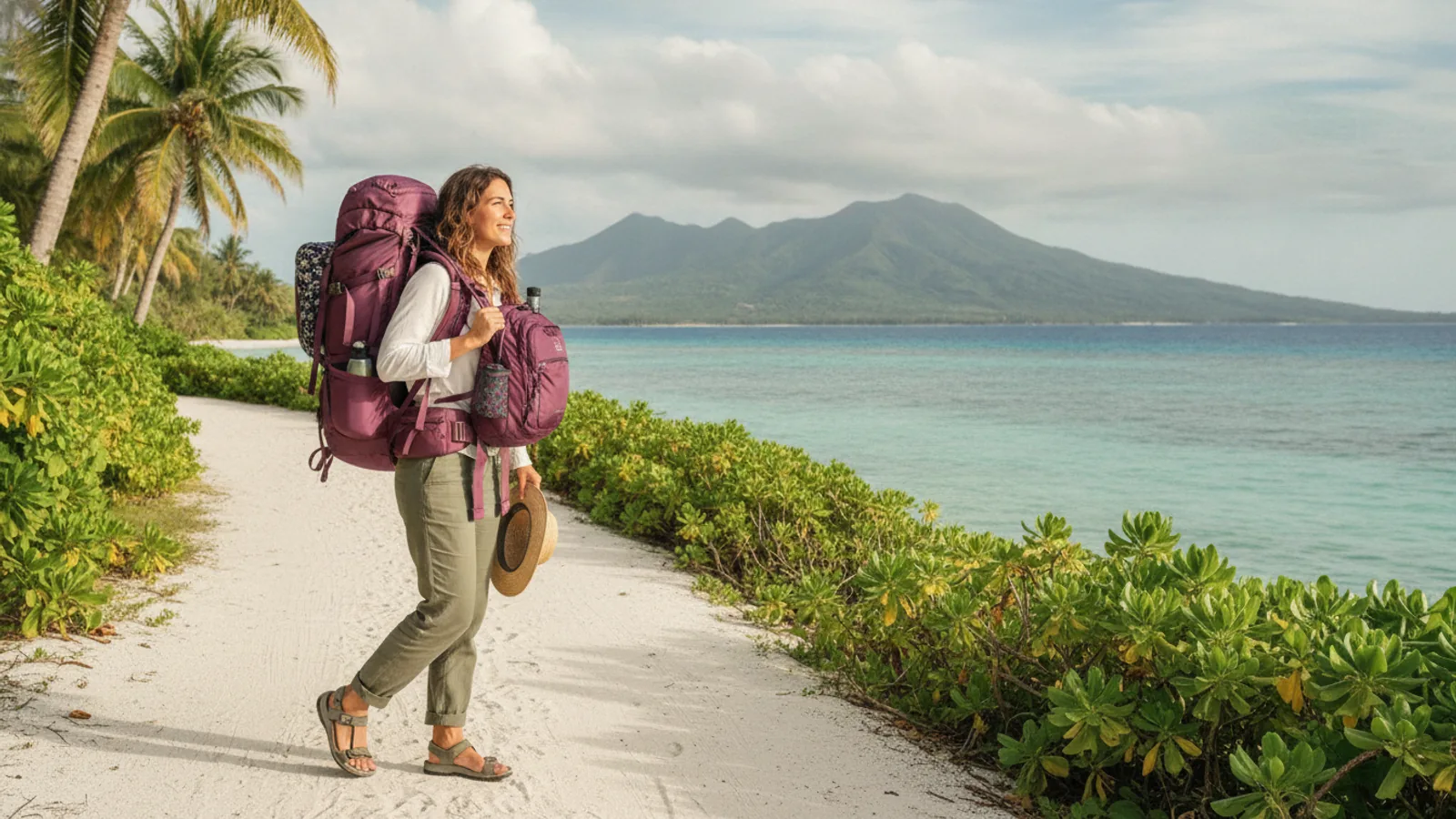
How To Plan A Group Trip
A practical step-by-step guide to how to plan a group trip, including preparation, instructions, common issues, tips, and next steps.

How To Plan A Group Trip
Planning a group trip can create incredible memories, whether it's a short break with friends, a family holiday, or an event with a club. However, coordinating multiple people, budgets, and preferences can feel like a daunting task. This guide simplifies the process into clear, manageable steps, helping you navigate everything from initial ideas to final bookings, ensuring everyone has a fantastic time without the stress.
Fast Answer
- First step: Gauge initial interest & trip type.
- Key tool: Online polling and shared documents.
- Main challenge: Balancing different preferences & budgets.
- Best advice: Delegate tasks and set clear expectations early.
Before You Start
Before diving into the nitty-gritty of booking, a little preparation goes a long way. Having the right tools and understanding the groundwork will save you countless headaches down the line.
What You Need
- A central communication channel: This could be a WhatsApp group, a dedicated email thread, or a Messenger group. Choose one everyone uses regularly.
- An online polling tool: Tools like Doodle Poll, SurveyMonkey, or Google Forms are excellent for quickly gathering availability and preferences.
- A shared document platform: Google Docs or Sheets allow for collaborative planning, itinerary creation, and budget tracking.
- A clear understanding of your role: As the planner, you'll be coordinating, but you don't have to do everything yourself. Be ready to delegate.
- Provisional budget ideas: While not set in stone yet, have a rough idea of what different types of trips might cost per person.
- Open mind and patience: Group planning requires flexibility and a willingness to compromise.
Step-by-Step Instructions
Follow these steps to smoothly plan your next group adventure, from an initial spark of an idea to a fully booked and exciting itinerary.
1. Spark the Idea & Gauge Initial Interest
Start by floating a broad idea. This isn't about booking anything yet, but about seeing who's interested in a trip and what kind of experience they're looking for. A casual chat in your group chat or a quick email can kick things off.
Suggest a few different ideas: "Who's up for a UK city break?", "Thinking of a weekend hiking trip in the Peak District, anyone?", or "What about a relaxing beach holiday abroad next year?". Keep it loose to encourage maximum input.
2. Define the Core Group & Set Budget Expectations
Once you have initial interest, confirm who is genuinely committed. Create a definitive list of attendees. This group will be your core planning unit. It's important to be realistic here; some people might express interest but never fully commit.
Next, and critically, discuss budget. This can be an awkward conversation, but it's vital. Ask everyone for their comfortable spending range for the entire trip, including travel, accommodation, activities, and food. You might find some want a luxury getaway while others prefer a more budget-friendly option. Aim to find a common ground or a range that most people can comfortably afford.
3. Choose Dates and Destination
With your core group and budget parameters in mind, it's time to nail down dates and a destination. Use an online polling tool like Doodle Poll to find everyone's availability for a few different potential date ranges. Be specific with your date options, e.g., "Weekend of June 7-9" instead of "early June".
Based on the group's budget and interests, research 2-3 solid destination options. For each option, provide a brief overview: what type of trip it is (e.g., bustling city, relaxing countryside), approximate travel time/cost, and a few potential highlights. Present these to the group and get a final vote. Once a decision is made, stick to it!
4. Research and Book Key Elements
Now that you have your destination and dates, it's time to book the essentials: travel and accommodation. Designate one or two people to research options. Compare prices for group bookings on flights, trains, or coach travel. For accommodation, look at options like self-catering houses or apartments (e.g., via Airbnb, Sykes Cottages, large hotel suites, or multiple rooms in a hotel). Group bookings often come with discounts.
Decide how bookings will be made. Will one person pay and be reimbursed, or will everyone book their own? If one person is paying, ensure everyone understands the payment schedule and commitment. For larger groups, setting up a shared payment system (see Step 6) is often best.
5. Plan the Itinerary & Activities
This is where the fun really begins! Start a shared document (like a Google Doc) and invite everyone to contribute ideas for activities, sights, and restaurants. Try to balance structured activities with plenty of free time for spontaneous exploration or relaxation. Not every minute needs to be planned.
Consider group interests: are you all foodies, history buffs, or outdoor adventurers? Aim for a mix if interests vary. Also, think about accessibility for everyone in the group. Once ideas are gathered, create a provisional daily itinerary. You can vote on final activities if there are too many options.
6. Manage Finances and Payments
Money is often the trickiest part of group travel. Establish a clear system for collecting money for shared expenses. Here are some common approaches:
- Lead Planner pays, others reimburse: Simplest for small groups, but puts the financial burden on one person initially.
- Shared Group Pot: Everyone pays a set amount into a designated account (or to one person) upfront to cover major shared costs.
- Expense-splitting apps: Apps like Splitwise or Tricount are fantastic for tracking who paid what and calculating who owes whom at the end.
Set clear payment deadlines for deposits and final balances for bookings. Communicate these clearly and send polite reminders. Transparency is key to avoiding financial disputes.
7. Finalise Details & Share Information
As the trip approaches, consolidate all the information. Create a master document that includes:
- Full itinerary with times, locations, and booking references.
- Contact details for everyone in the group.
- Details of transport (flight numbers, train times, car rental info).
- Accommodation address and check-in instructions.
- Emergency contacts and travel insurance details.
- A packing list reminder (optional, but helpful!).
Share this document with everyone well in advance of departure. Encourage them to download it or print a copy. A pre-trip group chat or video call can also be useful to iron out any last-minute questions and build excitement.
8. During the Trip & Follow-Up
Even with the best planning, trips can have unexpected twists. Be flexible, adapt to changes, and most importantly, enjoy the experience! Appoint a 'daily leader' for certain tasks if that helps. Encourage open communication if issues arise.
After the trip, consider setting up a shared photo album or a quick recap message. It's also a good idea to process any outstanding payments or reimbursements quickly, using your chosen expense-splitting method. Reflect on what worked well and what could be improved for your next group adventure!
Quick Reference
| Situation | Use this | Why |
|---|---|---|
| Initial ideas & availability | Quick poll or casual group chat. | Low commitment, gathers broad interest without pressure. |
| Collecting money for shared bookings | Expense-splitting app (e.g., Splitwise) or clear payment deadlines to a designated person. | Ensures fairness and transparency, reduces individual financial burden. |
| Group disagreements on activities/plans | Offer limited choices (2-3 options) and use a democratic vote. | Empowers everyone while preventing endless debate. |
| Keeping everyone informed & organised | One master shared document (Google Docs) and a central communication channel (WhatsApp). | Single source of truth, easy access for all, avoids information silos. |
| Avoiding planner burnout | Delegate specific research or booking tasks to others in the group. | Spreads the workload, gives everyone ownership, and reduces stress on the primary planner. |
Common Problems When You Plan A Group Trip
Group trips are fantastic, but they come with unique challenges. Being aware of these common pitfalls can help you navigate them effectively.
-
Decision Paralysis ("Too Many Cooks"): When everyone has an opinion, it can be hard to make a choice.
Fix: Limit options to 2-3 choices for major decisions (destination, key activities) and then use a simple poll or vote. The lead planner can also make a final executive decision if consensus isn't reached after a reasonable discussion.
-
Budget Disagreements: Not everyone has the same budget, leading to friction over choices.
Fix: Address budget openly and early (Step 2). If there's a wide gap, aim for middle-ground options or plan some activities that cater to different budgets (e.g., some free walks, some paid excursions).
-
Last-Minute Dropouts: Someone pulls out close to the trip, potentially impacting costs for others.
Fix: Establish a clear deposit system and cancellation policy upfront. Encourage travel insurance. If a dropout occurs, immediately communicate the financial impact to the remaining group and discuss solutions (e.g., finding a replacement, sharing the extra cost).
-
Uneven Workload for Planning: Often, one person (the planner) ends up doing most of the work.
Fix: Actively delegate specific tasks. Ask for volunteers for research on activities, restaurants, or transport. Use shared documents so everyone can contribute easily.
-
Communication Breakdown: Information gets lost, or some people aren't kept in the loop.
Fix: Use a single, agreed-upon communication channel (e.g., WhatsApp group, email thread). Share a master document with all trip details. Regularly summarise key decisions and updates.
-
Different Travel Styles: Some want packed itineraries, others prefer relaxation; some are early birds, others night owls.
Fix: Build flexibility into the itinerary. Plan a mix of group activities and free time. Encourage smaller sub-groups to pursue different interests without obligating everyone.
Advanced Tips for How To Plan A Group Trip
Once you've mastered the basics, these tips can help elevate your group trip planning to the next level, ensuring an even smoother and more enjoyable experience for everyone.
- Create a Simple "Trip Charter": For larger groups or frequent travellers, a very brief, informal document outlining group expectations can be helpful. This might cover decision-making (e.g., "majority rules for major activities"), payment expectations, and respect for varying preferences.
- Consider a Professional Group Travel Agent: For complex international trips, large groups (10+ people), or special events, a travel agent specialising in groups can save immense time and potentially get better deals. They handle logistics, bookings, and even visa advice.
- Build in a Contingency Budget: Always add a small percentage (e.g., 5-10%) to the overall budget for unexpected costs, such as unforeseen travel changes, a nicer-than-planned meal, or an emergency.
-
Pre-Assign Roles: Beyond just the lead planner, consider assigning specific roles for the duration of the trip. Examples include:
- Activity Manager: In charge of booking and coordinating daily excursions.
- Treasurer: Manages the group's shared expenses and keeps track of who owes what.
- Navigator: Responsible for directions, public transport, or car rental logistics.
- Photographer: Tasked with capturing memories for the group.
- Plan an "Arrival Day" and "Departure Day" Buffer: Don't pack the first and last days with activities. Allow time for travel delays, settling into accommodation, and relaxed goodbyes.
- Shared Digital Photo Album: Set up a shared Google Photos album or similar before the trip. Encourage everyone to upload their pictures throughout the trip, creating a collective memory bank instantly accessible to all.
- Research Local Events: If planning a UK leisure trip, check for local events, festivals, or markets happening during your visit. Islandwide Leisure often highlights these, adding a unique flavour to your itinerary.
How To Plan A Group Trip FAQ
How many people is ideal for a group trip?
What's the best way to collect money for shared expenses?
How far in advance should we plan a group trip?
What if someone drops out last minute?
How do we handle disagreements during the planning process?
Final Checklist for How To Plan A Group Trip
Use this checklist as your final sweep before the adventure begins. Ticking off each item ensures you've covered all the essential bases for a smooth and enjoyable group trip.
- Confirmed Attendee List: All travellers are confirmed, and their contact details are shared.
- Finalised Budget Breakdown: Everyone understands the total cost and what it covers.
- All Major Bookings Confirmed: Transport (flights, trains, car hire) and accommodation are booked and re-confirmed.
- Key Activities Booked: Any must-do tours or attractions are pre-booked with confirmed times.
- Payment Plan Clear: All major payments are collected or scheduled, and expense-splitting for shared costs is set up.
- Shared Master Itinerary: A comprehensive document with all details (times, locations, booking refs) is shared with everyone.
- Emergency Contacts & Insurance: All travellers have relevant emergency contacts and understand their travel insurance coverage.
- Important Documents: Reminders for passports, visas, driving licences, and other necessary IDs are sent.
- Communication Channel Active: The group chat or email thread is ready for last-minute questions and updates.
- Expectations Managed: Everyone understands the pace of the trip and the balance between group activities and free time.
By following these steps and checking off your list, you're not just planning a trip; you're setting the stage for unforgettable shared experiences. Happy travels!