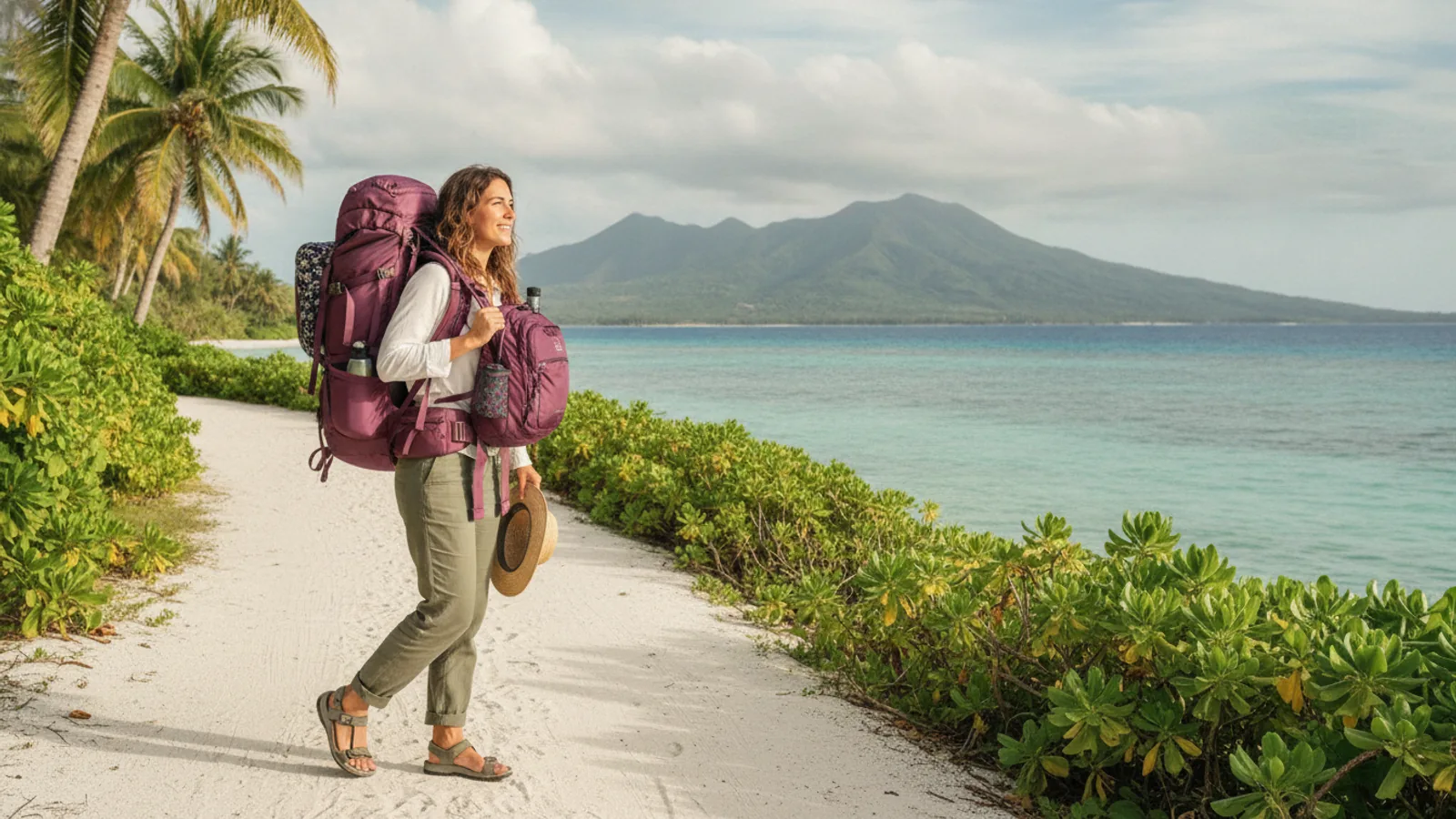
How To Prepare For A Hiking Trip
A practical step-by-step guide to how to prepare for a hiking trip, including preparation, instructions, common issues, tips, and next steps.

How To Prepare For A Hiking Trip
Getting ready for a hike means more than just lacing up your boots. This guide will walk you through everything you need to know, from choosing the right trail and checking the weather to packing essential gear and building your fitness. Whether you're planning a gentle ramble in the countryside or a more challenging climb, preparing properly ensures a safer, more enjoyable adventure. Follow these steps to confidently prepare for your next hiking trip.
Fast Answer
- Route Planning: Pick a suitable trail & study your map.
- Weather Check: Review forecasts from multiple sources.
- Essential Gear: Pack appropriate clothing, navigation, first-aid, food, water.
- Inform Others: Share your plans and expected return time.
Before You Start
Before you even think about setting foot on a trail, a bit of groundwork can make all the difference. This preparation stage helps you understand what's required and sets you up for success, ensuring you have the right mindset and essentials ready.
- Define your hike: Decide on the length, difficulty, and location of your hiking trip. Consider if it's a day hike, a multi-day trek, or something in between.
- Assess your fitness: Be honest about your current physical condition and choose a trail that matches your abilities.
- Gather navigation tools: A physical map and compass, or a reliable GPS device/app, are crucial for staying on track.
- Check for local regulations: Some areas have specific rules about access, dogs, or wild camping. Always check ahead.
- Consider companions: Decide if you're hiking solo or with others, and communicate plans clearly.
Step-by-Step Instructions
1. Choose and Research Your Hiking Route Wisely
The foundation of any successful hiking trip is selecting the right route. Don't just pick one at random; carefully consider what you're looking for and what your group (if any) can handle. Start by researching trails that match your desired length and difficulty. Look at guidebooks, online hiking forums, and official park or nature reserve websites for up-to-date information.
Pay close attention to details like elevation gain, the type of terrain (rocky, muddy, paved), and any known challenging sections. Understand if there are any water sources along the way or specific points of interest. Knowing these details helps you anticipate what to expect and prepare accordingly. Always have a clear start and end point in mind, especially for point-to-point hikes.
2. Thoroughly Check the Weather Forecast
UK weather is famously unpredictable, making a thorough weather check absolutely essential before any hiking trip. Don't just glance at a general forecast; dig deeper. Look for specific forecasts for your hiking area, checking sources like the Met Office, BBC Weather, or Mountain Weather Information Service (MWIS) if you're heading to hillier regions. These services often provide more granular details, including wind speed, temperature at different altitudes, and specific rainfall predictions.
Check the forecast for the entire duration of your hike and even a day or two beyond, especially for multi-day trips. Look for trends rather than just single-day predictions. Be prepared for rain, wind, and even sudden drops in temperature, even on what starts as a sunny day. If severe weather warnings are in place, it’s always best to postpone your trip.
3. Assemble Your Essential Hiking Gear
Having the right gear is critical for comfort, safety, and enjoyment on your hiking trip. Think of your gear in layers and categories. Start with your feet: sturdy hiking boots (broken in, not brand new) are non-negotiable, along with moisture-wicking socks to prevent blisters. For clothing, embrace the layering system: a base layer (wicks sweat), a mid-layer (insulation like a fleece), and an outer layer (waterproof and windproof jacket and trousers) are key.
Beyond clothing, you'll need essential navigation tools: a physical map, a compass, and a fully charged mobile phone with a mapping app (but don't rely solely on it). A first-aid kit, head torch (even for day hikes), emergency whistle, and a small survival bag or shelter are also crucial. Don't forget sun protection (hat, sunscreen) and insect repellent, especially in summer. Finally, a comfortable backpack to carry it all is paramount.
4. Pack Your Backpack Smartly and Efficiently
A well-packed backpack makes a huge difference to your comfort and energy levels on the trail. The key is to distribute weight evenly and keep frequently used items accessible. Place heavier items close to your back and slightly above your waist for better balance. Lighter, bulkier items like spare clothes or a sleeping bag (for multi-day hikes) can go at the bottom or top.
Keep essentials like your map, compass, water bottle, snacks, and waterproof jacket in easily reachable pockets or the top compartment. Use dry bags or plastic liners to protect electronics, spare clothes, and your sleeping bag from rain. Before you leave, do a quick check to ensure everything is there and your bag feels balanced and comfortable on your shoulders and hips.
5. Plan Your Food and Water Supplies
Staying energised and hydrated is vital for any hiking trip, especially as your energy expenditure increases. Plan to carry enough water to last your entire hike, especially if there are no reliable refill points on your chosen route. A good rule of thumb is 1 litre of water for every 2-3 hours of moderate hiking, but this can vary based on weather and exertion. Consider carrying a water filter or purification tablets for longer trips where refills might be available from natural sources.
For food, pack high-energy, non-perishable snacks that are easy to eat on the go. Think nuts, dried fruit, energy bars, sandwiches, and chocolate. Pack more than you think you'll need as an emergency reserve. For longer hikes, consider lightweight, nutritious meals. Remember to pack out everything you pack in, including all food wrappers and scraps.
6. Inform Someone of Your Hiking Plans
This is a crucial safety step that many hikers overlook. Always tell a trusted friend, family member, or even your accommodation host about your hiking plans. Provide them with your specific route, including your planned start and end points, your estimated departure and return times, and the names of everyone in your group. Also, give them a description of your vehicle if you're driving.
Agree on a specific time by which you will contact them upon your safe return. If they don't hear from you by that time, they will know to raise an alarm and contact emergency services (like Mountain Rescue in the UK), providing them with all the details you shared. This simple step can be life-saving if you encounter an unexpected problem on the trail.
7. Build and Maintain Your Physical Fitness
Hiking, especially on varied UK terrain, can be physically demanding. Don't expect to jump straight into a long or challenging hike without some preparation. Start building your fitness weeks or even months before your planned trip. Incorporate regular cardio exercises like walking, jogging, or cycling to improve your endurance. Strengthen your leg muscles with squats, lunges, and calf raises.
Crucially, practice hiking in your chosen boots with your loaded backpack on shorter, local trails. This not only builds specific hiking fitness but also helps to break in your boots and get used to carrying your gear. Gradually increase the distance and elevation of these practice hikes. The fitter you are, the more enjoyable and safer your hiking trip will be.
8. Brush Up on Basic Navigation and First Aid Skills
Even with advanced GPS devices, knowing how to read a physical map and use a compass is a fundamental skill for any hiker, particularly in areas with no phone signal. Before your trip, take some time to refresh your memory on map symbols, contour lines, grid references, and how to take a bearing with a compass. Practice these skills in a familiar area until you feel confident.
Similarly, having basic first-aid knowledge can be invaluable. Learn how to treat common hiking injuries like blisters, cuts, sprains, and insect bites. Understand how to recognise and respond to signs of hypothermia or heatstroke. Carry a well-stocked first-aid kit and know how to use its contents. Consider taking a basic outdoor first aid course for added peace of mind.
9. Understand 'Leave No Trace' Principles
When you're out enjoying the UK's beautiful landscapes, it's vital to minimise your impact on the environment. The "Leave No Trace" principles are a set of guidelines to help you do just that. These include planning ahead and preparing, travelling and camping on durable surfaces, disposing of waste properly, leaving what you find, minimising campfire impacts, respecting wildlife, and being considerate of other visitors.
Practising these principles ensures that the trails and natural areas remain pristine for future generations. This means carrying out all litter, staying on marked paths, not disturbing plants or animals, and generally leaving the area as you found it, or even better. A responsible hiker is a prepared hiker.
Quick Reference
| Situation | Use this | Why |
|---|---|---|
| Unclear trail ahead | Physical map & compass | Reliable navigation even without signal or battery. |
| Sudden rain shower | Waterproof jacket & trousers | Stay dry and prevent hypothermia. |
| Feeling low on energy | High-energy snack (nuts, bars) | Quickly replenish glucose levels for sustained effort. |
| Blister forming | First-aid kit with blister plasters | Prevent it from worsening, reduce pain, continue hiking. |
| Getting dark unexpectedly | Head torch | Essential for visibility and safety in low light. |
| Lost or injured | Emergency whistle & pre-arranged contact | Signal for help and ensure someone knows your location/plans. |
Common Problems When You Prepare For A Hiking Trip
Even with the best intentions, issues can arise before or during your hike. Knowing common pitfalls and how to address them can save you a lot of trouble.
- Underestimating UK Weather: Many hikers get caught out by sudden changes in rain, wind, or fog.
- Fix: Always pack for all four seasons, even on a summer day. Check multiple, specific forecasts for your area, not just general regional predictions.
- Inadequate Footwear Leading to Blisters: New or ill-fitting boots are a common cause of pain.
- Fix: Break in new hiking boots on shorter walks before a big trip. Wear appropriate, moisture-wicking hiking socks, and carry blister plasters in your first-aid kit.
- Lack of Proper Hydration/Nutrition: Running out of water or energy can quickly turn a hike sour.
- Fix: Carry more water than you think you need. Pack a variety of high-energy snacks and eat regularly. Learn about potential water sources on your route.
- Getting Lost Due to Poor Navigation: Relying solely on a phone or not understanding your map.
- Fix: Carry a physical map and compass and know how to use them. Download offline maps to your phone and bring a power bank. Regularly check your position against landmarks.
- Overpacking or Underpacking Gear: Carrying too much can be tiring; carrying too little can be dangerous.
- Fix: Review your gear list against the known trail conditions and weather forecast. Pack essential items first, then add comfort items only if space and weight allow.
- Not Informing Anyone of Your Plans: If something goes wrong, no one knows where to look.
- Fix: Always tell a trusted person your route, estimated times, and emergency contact details. Agree on a 'check-in' time.
Advanced Tips for How To Prepare For A Hiking Trip
Once you've mastered the basics, these advanced tips can elevate your hiking preparation and enhance your experiences on the trail, especially for longer or more remote adventures.
- Learn Advanced Navigation Techniques: Beyond basic map and compass, learn how to navigate in low visibility (fog, darkness) using terrain association, triangulation, and timing. Consider taking a dedicated navigation course.
- Practice Your Emergency Shelter Skills: For multi-day hikes, or even long day hikes in exposed areas, know how to quickly set up an emergency shelter like a bothy bag or lightweight tarp. Practice pitching your tent in less-than-ideal conditions.
- Master Lightweight Packing: For extended trips, reducing your pack weight significantly improves comfort and speed. Research ultralight gear alternatives and learn techniques for multi-purpose items and minimalist packing.
- Develop Specific Trail Fitness: Beyond general fitness, incorporate exercises that mimic hiking movements. This includes weighted step-ups, box jumps, and long walks with elevation gain while carrying your pack.
- Understand Wilderness First Aid: Take a recognised wilderness first aid course. This goes beyond basic first aid, teaching you how to manage injuries and illnesses in remote settings where help might be hours or days away.
- Plan for Varied Terrain and Conditions: Be adaptable. Research alternative routes or bail-out points. Have contingency plans for river crossings, boggy sections, or unexpected snow.
- Experiment with Nutrition and Hydration Strategies: Find what works best for your body on long hikes. This could involve specific electrolyte drinks, certain types of energy gels, or a detailed meal plan for sustained energy.
- Utilise Digital Tools Wisely: While not a replacement for physical tools, advanced GPS devices and smartphone apps (like OS Maps, Komoot, AllTrails) can offer valuable real-time data, route tracking, and emergency features. Learn their full capabilities.
How To Prepare For A Hiking Trip FAQ
- How far in advance should I start preparing for a hiking trip?
For a short day hike on an easy trail, a day or two for checking weather and packing is usually sufficient. For longer, more challenging hikes or multi-day trips, start your physical fitness training and gear checks several weeks to a few months in advance. Route planning should also begin well ahead of time.
- Do I really need a map and compass if I have a GPS or phone app?
Yes, absolutely. Electronic devices can run out of battery, get damaged, or lose signal. A physical map and compass don't rely on power and are essential backups for safe navigation, especially in remote UK areas.
- What's the most important item to pack for a hiking trip?
While many items are critical, appropriate footwear (broken-in hiking boots) and suitable waterproof layers are arguably the most important for safety and comfort in variable UK weather. Poor footwear can quickly end a hike, and getting cold and wet can lead to serious issues.
- How do I choose the right difficulty level for a hike?
Be honest about your current fitness and experience. Start with easier, shorter trails and gradually increase difficulty. Look at factors like total distance, elevation gain, and type of terrain described in guidebooks or online. If hiking with others, choose a route suitable for the least experienced member of the group.
- Is it safe to hike alone in the UK?
Hiking alone can be safe if you are well-prepared, experienced, and take extra precautions. Always inform someone of your exact route and expected return time, carry extra safety gear, and stick to well-known trails, especially when starting out. Understand your limits and be aware of your surroundings.
- What should I do if the weather forecast changes significantly before my hike?
If the forecast shows significantly worse weather (e.g., heavy rain, strong winds, thunderstorms) than you prepared for, it's always safest to postpone or choose an alternative, less exposed route. Your safety is more important than sticking to original plans.
Final Checklist for How To Prepare For A Hiking Trip
Use this checklist to ensure you've covered all the essential steps before heading out on your hiking adventure:
- Route Planned & Researched: Have you selected a suitable trail and studied your map?
- Weather Checked: Have you verified forecasts from multiple sources for your specific area and hike duration?
- Fitness Ready: Are you physically prepared for the demands of the chosen route?
- Essential Gear Assembled: Do you have suitable boots, clothing layers, navigation tools, first-aid, head torch, and emergency shelter?
- Backpack Packed Smartly: Is your bag comfortable, balanced, and are essentials accessible?
- Food & Water Secured: Do you have enough hydration and high-energy snacks for the entire trip, plus extra?
- Someone Informed: Has a trusted contact received your detailed plans and agreed upon a check-in time?
- Basic Skills Refreshed: Are you confident with map reading, compass use, and basic first aid?
- Leave No Trace Understood: Are you committed to minimising your environmental impact?
- Phone Fully Charged: With offline maps downloaded and a power bank packed?
By following this guide and completing each item on the checklist, you'll be well-prepared for a safe, enjoyable, and memorable hiking trip across the beautiful UK countryside. Happy trails!
What should I check before acting on advice about how to prepare for a hiking trip?
Use this guide as a starting point, compare current specifications and costs, and check the details that apply to your own situation before making a purchase or booking.
Where can I find related short-breaks-and-escapes guidance?
Browse the related guides in this section for practical comparisons, planning notes, and next steps that support the same decision.