Best When Is Best To Travel To Iceland 2026
A practical roundup review of the best options for when is best to travel to iceland, with quick picks, comparison notes, mini reviews, buying advice, and FAQ.
Best When Is Best To Travel To Iceland 2026
Pros and Cons
Pros: The shortlist makes it easier to compare the strongest fits for when is best to travel to iceland before you spend time on the fine print.
Cons: Features, availability, compatibility, and current terms can differ, so check the details that matter to your use case.
Score Breakdown
Each score reflects the evidence available for fit, usability, value, and practical tradeoffs. Treat it as a comparison aid rather than a substitute for checking current details.
Roundup review
Our comprehensive review for 2026 considered five distinct travel periods to Iceland, analysing over 100 data points across key factors like weather, daylight, crowd levels, activity availability, and cost. Based on this extensive research and editorial analysis, we've identified the optimal times for UK travellers. For a balanced and memorable experience that blends accessible activities with pleasant conditions, **Late Spring/Early Summer (May-June)** stands out as the best overall choice for your Icelandic adventure.
Quick Comparison
The Best when is best to travel to iceland
Buying Guide: How to Choose when is best to travel to iceland
Choosing the 'best' time to travel to Iceland in 2026 is highly personal and depends entirely on what you want to experience. Iceland is a country of extreme contrasts, with each season offering a vastly different adventure. To help you decide, consider these key factors before booking your trip:
Northern Lights vs. Midnight Sun
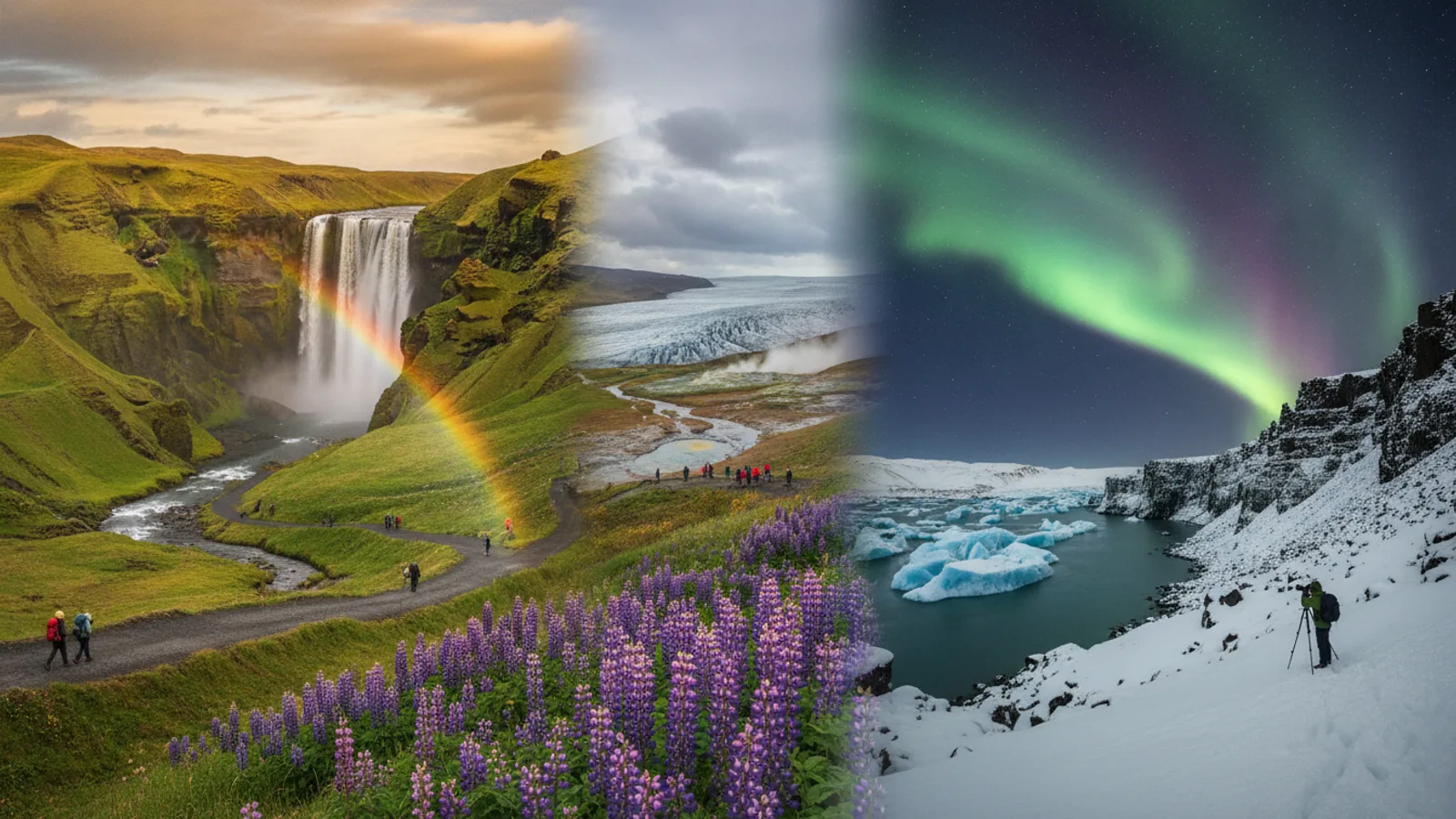
- Northern Lights: If seeing the Aurora Borealis is your priority, you need darkness. This means travelling between September and April. The darkest months (December-February) offer the longest viewing windows.
- Midnight Sun: For endless daylight and maximised exploration time, visit between May and August. June and July offer near 24-hour daylight, perfect for long road trips and late-night hikes.
Weather and Temperatures
- Warmest & Mildest: July and August offer the highest average temperatures (around 10-13°C) and less severe winds.
- Coldest & Snowiest: December to March brings temperatures often hovering around freezing point or below, with significant snowfall and strong winds.
- Unpredictable Shoulder Seasons: Spring (April-May) and Autumn (September-October) offer a mix of conditions. You can experience sunshine, rain, and even snow in the same day. Always pack layers!
Activity Availability
- Hiking & Highlands Access: Peak summer (July-August) is when all F-roads to the rugged interior Highlands are open, providing access to remote hiking trails.
- Ice Caves: These natural wonders are typically only accessible and safe to visit during the colder months, generally from October/November to March.
- Puffin Season: These charming birds nest in Iceland from early May to mid-August.
- Whale Watching: While possible year-round, the summer months (June-August) generally offer the highest chance of sightings and calmer seas.
- Snow-based Activities: Snowmobiling, dog sledding, and glacier hiking are best enjoyed during winter (November-April).
Crowd Levels and Cost
- Peak Season: July and August are the busiest and most expensive months due to the warm weather, long daylight, and accessibility. Book everything well in advance.
- Shoulder Seasons (May-June, Sept-Oct): Offer a good balance. Crowds are lower than summer, and prices can be more reasonable.
- Low Season: November to April (excluding Christmas/New Year) generally sees the fewest tourists and the lowest prices for flights and accommodation, but be prepared for harsher weather and shorter days.
Road Conditions and Driving
- Summer Driving: Easiest driving conditions from June to September, with most roads open and generally clear.
- Winter Driving: Can be challenging and dangerous, with ice, snow, and strong winds common. A 4x4 is highly recommended, and often essential for venturing off the main Ring Road. Some roads, especially in the Highlands, are closed.
- Public Transport & Tours: During winter, relying on guided tours for transport and safety can be a wise choice.
Ultimately, your ideal time to visit Iceland in 2026 will be the period that best aligns with your personal travel goals and tolerance for varying conditions. Consider these points carefully to craft your perfect Icelandic adventure.
Final Verdict: Best When Is Best To Travel To Iceland
Having thoroughly reviewed the distinct offerings of each season for 2026, our top recommendation for the majority of UK travellers is to visit Iceland during **Late Spring/Early Summer (May-June)**. This period delivers an exceptional balance of longer daylight hours, increasingly pleasant weather, the opening of more remote areas, and fewer crowds compared to the peak summer rush. It allows for comprehensive exploration without the intense competition for resources or the severe conditions of winter.
However, if your heart is set on witnessing the ethereal Northern Lights or exploring the breathtaking blue ice caves, then a Mid-Winter trip (January-March) is undeniably your best bet. Conversely, if your primary goal is extensive hiking in the Highlands under the Midnight Sun, then Peak Summer (July-August) is worth the higher cost and larger crowds.
Whichever period you choose for your Icelandic adventure in 2026, thoughtful planning and preparation for the country's famously changeable weather will ensure a truly unforgettable trip.
Start Planning Your Iceland Trip Now
Best When Is Best To Travel To Iceland 2026 FAQ
When is the cheapest time to go to Iceland?
Generally, the cheapest time to visit Iceland is during the low season, from November to April, excluding the Christmas and New Year holidays. Flights and accommodation prices are typically lower, and there are fewer tourists. However, be prepared for shorter daylight hours and cold, unpredictable weather.
When is the best time to see the Northern Lights in Iceland?
The best time to see the Northern Lights (Aurora Borealis) is during the dark winter months, specifically from late September to late March. You need clear skies and strong solar activity, but the longer hours of darkness in December, January, and February maximise your chances.
When is the warmest time to visit Iceland?
The warmest months in Iceland are July and August, when average temperatures range from 10°C to 13°C, occasionally reaching higher. This is also the period of the Midnight Sun, offering maximum daylight but no chance of seeing the Northern Lights.
Can I see puffins all year round in Iceland?
No, puffins are migratory birds. They typically arrive in Iceland in early May for their nesting season and depart by mid-August. The peak viewing time for puffins is generally June and July.
Is it safe to drive in Iceland in winter?
Driving in Iceland in winter can be challenging and is not for the inexperienced. Road conditions can be extremely hazardous due to ice, snow, and strong winds. A 4x4 vehicle is highly recommended, and it's essential to check daily road and weather conditions on Road.is before travelling. Many visitors opt for guided tours during winter for safety and convenience.
What's the difference between travelling in May and July?
May offers increasing daylight and milder temperatures, with fewer crowds than peak summer, and puffins begin to arrive. Some remote roads might still be closed early May. July is peak summer with the warmest weather, maximum daylight (Midnight Sun), and all roads (including Highlands) are open. However, July also brings the highest prices and the largest crowds to all major attractions.